- 20% off Entire Purchase Promo code: offT80
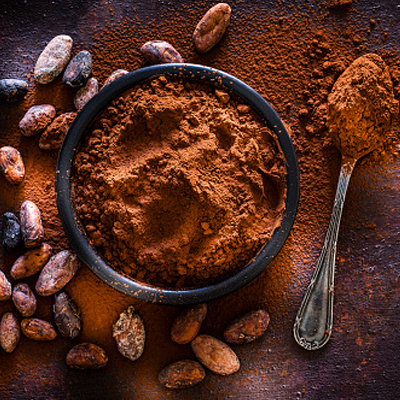
- 10% - 20% off on Cocoa beans
- Off 10%! Shop Vanillas
- Off 10%! Shop Now
- Off 10%! Shop Vanillas
- 10% - 20% off on Cocoa beans
- 20% off Entire Purchase Promo code: offT30
- Off 10%! Shop Now
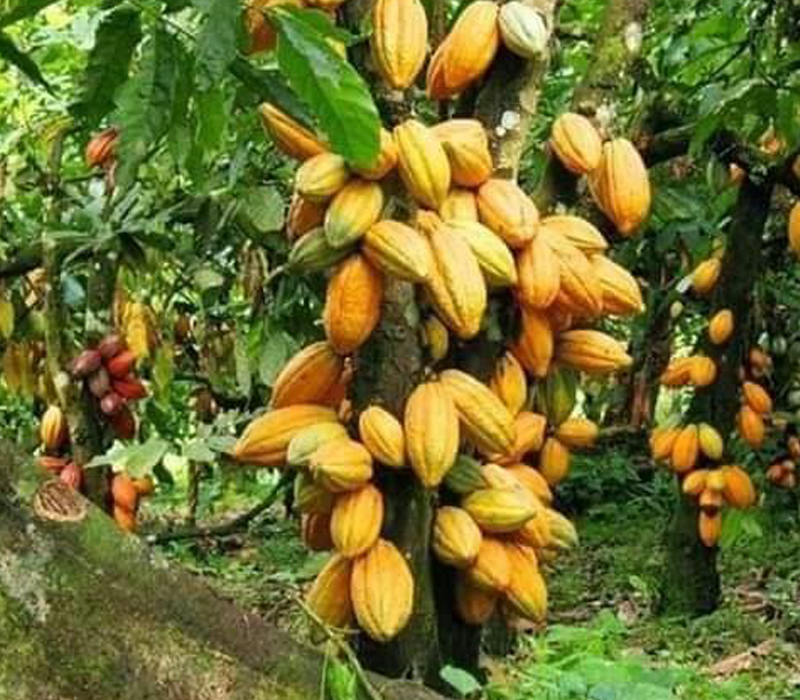
Cocoa growing process
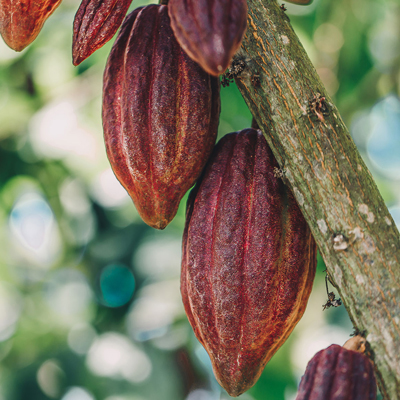
Cocoa is a very delicate, sensitive plant. It requires high rainfall and temperatures to grow, as well as rainforest trees to offer shade and protection from too much light and damage caused by wind. Because cocoa farms are sensitive to this type of climate, they can only flourish in a narrow band of countries between 20 degrees north and south of the equator.
As the one of the world's largest chocolate makers, we have a stake in protecting these origins. We do so through Cocoa Life, which is active across all major cocoa origins from Africa to Asia to the Americas. We are committed to making a difference in these communities.
Read MoreIn the farms
Farmers must protect trees from wind and sun, fertilize the soil, and watch for signs of disease or distress. With proper care, most cocoa trees yield pods by the fourth or fifth year and can continue for another 30 years. A typical pod contains 30 to 40 beans and there are about 30 pods per tree; approximately 400 dried beans are required to make one pound of cocoa.
Harvesting
Involves removing ripe pods from the trees and opening them to extract the wet beans. Pods are harvested manually by making a clean cut through the stalk with a well sharpened blade. For pods high on the tree, a pruning hook type of tool can be used, with a handle on the end of a long pole. By pushing or pulling according to the position of the fruit, the upper and lower blades of the tool enable the stalk to be cut cleanly without damaging the branch.
Fermentation and drying
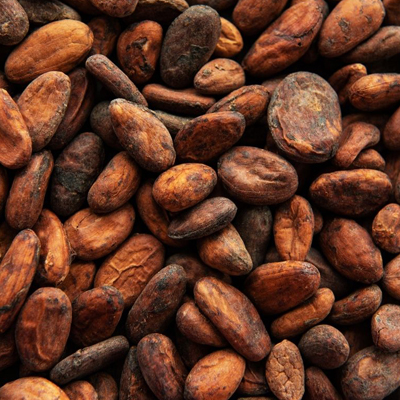
Post-harvest processing has the biggest impact on cocoa quality and, consequently, on cocoa taste. The farmer removes the beans from the pods, packs them into boxes or heaps them into piles, then covers them with mats or banana leaves for three to seven days. The layer of pulp that naturally surrounds the beans heats up and ferments the beans, which enhances the cocoa flavor. The beans are then dried in the sun for several days.
storage and Selection
The dried cocoa are normally packed in gunny sacks. One gunny sack generally holds no more than 50-60 kg. Each sack is labeled indicating the type of quality and identity of the producer. -In the storage capacity, the sacks should be stacked in a clean, air-ventilated warehouse away from sharp-scented objects such as gasoline or organic waste.
Packaging and transporting
The dried beans are packed into sacks, and the farmer sells his product to a buying station. The buyer transports the sacks to an exporting company where the sacks are inspected, put into burlap, sisal, or plastic bags, and transported to the exporter's warehouse, where the beans are stored until they're shipped to a manufacturer.
Ethical and fair trading
Our cocoa is ethically grown. Looking for a Fair Trade, organic label or an explination of why the souce is child labor free is the best we can do. We use adults who are not under forced labor in cocoa farms and a fully paid fairly.